A herpesvirus (DNA) also known as human herpesvirus-3 (HHV-3), which causes varicella (chickenpox) as the primary infection and can later reactivate from latency in sensory ganglia to cause herpes zoster (shingles).
VZV is a common childhood exanthem (widespread before vaccines) and a cause of painful shingles in older or immunosuppressed adults. Understanding its presentation and prevention is vital to avoid serious complications (e.g., pneumonia, neurologic sequelae) and because classic features (e.g., "dew drop on a rose petal" lesions) and vaccine strategies are frequently tested.
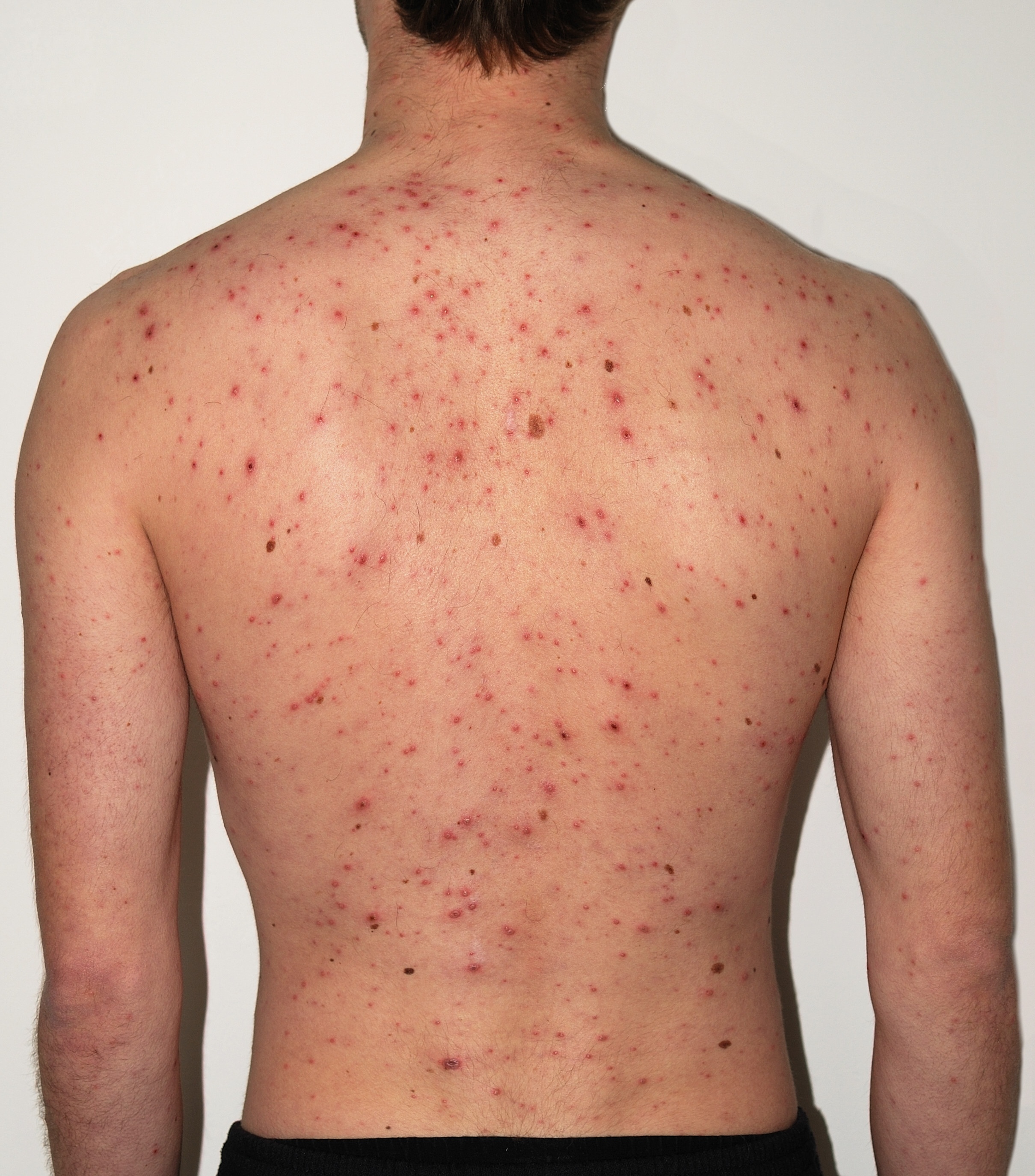
Unvaccinated child with fever and a diffuse itchy vesicular rash (often starting on trunk then spreading). Lesions appear in successive crops and are in different stages (red macules, fluid-filled vesicles, crusts) simultaneously. This is primary varicella (chickenpox).
Older adult or immunocompromised patient with severe pain or tingling followed by a unilateral band of vesicular rash in a dermatomal distribution (typically on chest or trigeminal V1 dermatome). The rash does not cross midline and usually heals in 2–4 weeks. This is herpes zoster (shingles) due to VZV reactivation.
High-risk patients (e.g., immunosuppressed, neonates): may have an atypical or severe presentation of varicella or zoster, with disseminated rash (lesions outside the typical dermatome, including on palms/soles) that continues to erupt >1 week, often accompanied by visceral involvement (pneumonia, hepatitis, encephalitis).
Recognize lesions in all stages at once as a key diagnostic clue for varicella (in contrast, smallpox lesions are all same stage).
Confirm suspected cases with lab testing if needed: PCR of vesicle fluid is the most sensitive diagnostic test. A Tzanck smear of lesion scraping can show multinucleated giant cells (seen in VZV or HSV), and serologies (IgM, IgG) can assess acute infection or immunity status.
VZV is highly contagious via airborne droplets and direct contact. Incubation ~2 weeks (10–21 days); patients are contagious ~1–2 days before rash until all lesions crust. In healthcare settings, isolate patients (airborne & contact precautions) and ensure staff immunity.
If a non-immune high-risk individual (e.g., pregnant, immunocompromised, newborn) is exposed to VZV, prevent disease with varicella-zoster immune globulin (VZIG) within 96 hours (up to 10 days) of exposure (passive immunization). Vaccination (if no contraindications) within 3–5 days of exposure can also attenuate disease.
Differentiate VZV rash from other vesicular illnesses: hand-foot-and-mouth disease (coxsackievirus) causes lesions on hands, feet, and mouth without diffuse trunk involvement; herpes simplex is localized (orolabial or genital) unless disseminated in neonates/immunocompromised; contact dermatitis or impetigo may mimic crusted lesions but lack the typical vesicle progression.
Condition
Distinguishing Feature
Herpes simplex virus (HSV)
Localized recurrent vesicles (cold sores, genital herpes); disseminated only in neonates or severe immunosuppression
Hand-foot-and-mouth disease
Coxsackievirus A; vesicular lesions on hands, feet, and mouth; typically in young children, no diffuse trunk rash
Smallpox (variola)
Eradicated; would cause similar pustular rash but all lesions in same stage and more prominent on extremities
Supportive care for uncomplicated chickenpox: trim nails to prevent scratching, soothing lotions (calamine), antihistamines for itch, and acetaminophen for fever. Avoid aspirin in children (risk of Reye syndrome).
Antivirals: Start acyclovir (or valacyclovir/famciclovir) within 24–72 hours of rash onset for certain patients – recommended for varicella in adolescents, adults, or high-risk (e.g., lung disease, steroid use) and for all shingles cases to speed healing and reduce complications. Use IV acyclovir for severe or disseminated infections (e.g., immunocompromised, neonatal varicella).
Pain management for shingles: analgesics (NSAIDs, acetaminophen) and neuropathic pain agents (e.g., gabapentin, TCAs) can be used to manage acute pain and reduce risk of postherpetic neuralgia.
Prevention: Live-attenuated varicella vaccine (e.g., Varivax) given in childhood (2 doses) provides ~90% protection; it is contraindicated in pregnancy and severe immunodeficiency. For adults ≥50 or immunocompromised patients, recombinant zoster vaccine (Shingrix) is recommended to prevent shingles and postherpetic neuralgia.
Mnemonic description: "Dew drops on a rose petal" = varicella vesicles (clear fluid-filled blister on an erythematous base).
Hutchinson sign: a vesicle on the tip of the nose predicts shingles involvement of the ophthalmic (V1) branch – urgent treatment to prevent eye damage.
Shingles in a young adult or recurrent zoster → consider an HIV test or other immunodeficiency, as healthy patients under 50 rarely get zoster.
Disseminated VZV: Varicella or zoster with multidermatomal or visceral involvement (e.g., pneumonitis, hepatitis, coagulopathy) – seen in immunocompromised or neonatal infections. This is life-threatening and requires prompt IV acyclovir.
Herpes zoster involving CN V1 (ophthalmic division) – can cause herpes zoster ophthalmicus with sight-threatening corneal involvement. Look for Hutchinson sign (nasal tip lesion) and start antivirals immediately; urgent ophthalmology consult.
Ramsay Hunt syndrome (herpes zoster oticus): VZV reactivation in the geniculate ganglion (CN VII) causes ear pain, vesicles in the external ear, and facial paralysis, often with hearing loss. Requires prompt antivirals (± corticosteroids); delays reduce chances of full nerve recovery.
Patient with fever and vesicular rash → Isolate (airborne & contact) and clinically evaluate. If lesions are in different stages, likely varicella; if dermatomal distribution with pain, likely zoster.
For suspected varicella, confirm immune status: check history or serology (VZV IgG). In at-risk settings, consider PCR testing of lesion to confirm VZV.
Manage based on severity: Healthy child with chickenpox → home care, hydration, itch control. Adults, teens, or immunosuppressed with varicella → oral acyclovir (or IV if severe). All shingles patients → antivirals within 3 days of rash, plus analgesia.
If exposure occurs in a high-risk non-immune person (e.g., pregnant, immunocompromised, infant) → give VariZIG (VZV Ig) ASAP (within 10 days) for passive protection. Consider acyclovir prophylaxis if VariZIG is delayed or as adjunct.
Ensure prevention: routine varicella vaccination in childhood (and in susceptible adults), and Shingrix vaccination for older adults and immunocompromised to markedly reduce shingles and its complications.
Unvaccinated child with fever and an itchy rash in multiple stages (papules, vesicles, crusts) scattered over body, including trunk and face → Varicella (chickenpox).
70‑year‑old with burning pain in the chest followed by a unilateral strip of vesicles that stops at the midline → Herpes zoster (shingles).
Elderly patient with shingles involving the forehead, eye, and tip of nose (Hutchinson sign) → Herpes zoster ophthalmicus (CN V1 involvement, risk of corneal injury).
Case 1
A 6‑year‑old boy is brought in with a 2-day history of fever and rash. He has no history of varicella vaccination.
Varicella rash on the back of an adult patient (day 5 of illness, lesions are crusting over).