Inflammation of the conjunctiva ("pink eye") causing red eye and discharge; usually benign and self-limited (viral, bacterial, or allergic causes), but certain forms (e.g., neonatal gonococcal infection, trachoma) can lead to severe ocular damage.
Extremely common cause of red eye across all ages. High-yield for exams because you must distinguish simple conjunctivitis from serious red-eye causes (e.g., keratitis, glaucoma) and know proper management (like neonatal prophylaxis). Also a global health issue: trachoma is the leading infectious cause of blindness worldwide.
Viral: Most common overall (often adenovirus); contagious "pink eye" with watery/tearing discharge, burning or gritty feeling; often starts in one eye (spreads to the other); may have preauricular lymph node.
Bacterial: Red eye with thick purulent discharge (eye often "stuck shut" in mornings); more common in children. Typical bugs: Staph, Strep, H. influenzae; consider Pseudomonas in contact lens users.
Allergic: Intense itching, tearing, and redness in both eyes (often in atopic individuals or seasonally); may see eyelid puffiness and conjunctival swelling; other allergy symptoms (e.g., sneezing) often present.
Neonatal: Newborn in first month of life with conjunctival redness and discharge. Onset Day 2–5 → suspect gonococcal conjunctivitis (hyperacute, can threaten cornea); onset Day 5–14 → suspect chlamydial conjunctivitis (less purulent).
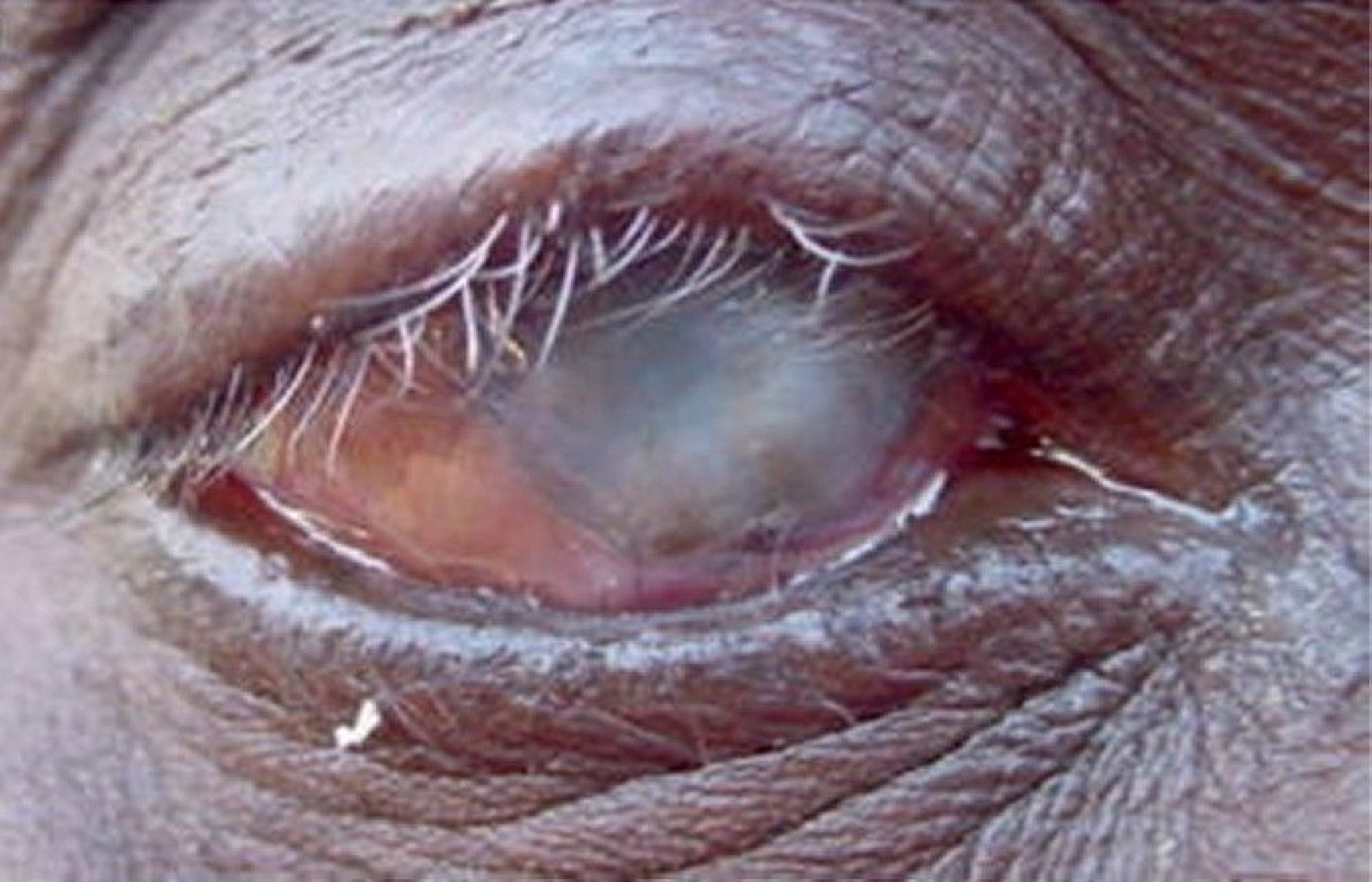
Trachoma (Chronic Chlamydial): Repeated Chlamydia trachomatis (serovars A–C) infections in childhood (in poor, rural areas) cause conjunctival scarring and eyelid deformities → trichiasis (inturned lashes scraping the cornea) → corneal opacification and blindness. (Trachoma is the #1 infectious cause of blindness worldwide.)
Check for red flags (severe eye pain, photophobia, or vision loss): if any present, evaluate for keratitis, uveitis, or glaucoma instead of simple conjunctivitis.
Differentiate by discharge: purulent discharge usually indicates bacterial conjunctivitis; watery discharge is more consistent with viral or allergic (allergic also has prominent itching and usually bilateral).
Neonatal conjunctivitis: use timing and tests to identify cause – perform Gram stain/culture for gonococcal (appears in first 5 days of life, causes profuse pus) and PCR for chlamydial (appears around 1–2 weeks); treat promptly (gonococcal infection can cause corneal perforation).
If a patient has chronic conjunctivitis or conjunctival scarring and lives in an endemic region (poor sanitation, flies), think trachoma. Implement the SAFE strategy: Surgery for trichiasis, Antibiotics (azithromycin) for infection (often mass distribution), Facial cleanliness, and Environmental improvement.
Viral: Supportive care (cool compresses, artificial tears); no antibiotics needed (self-resolves in ~2 weeks). Emphasize good hand hygiene (highly contagious).
Bacterial: Topical antibiotic drops/ointment (e.g., erythromycin); if contact lens wearer, use a fluoroquinolone to cover Pseudomonas. Improves within days.
Allergic: Topical antihistamine and/or mast cell stabilizer eye drops for symptom relief; avoid triggers. Can use oral antihistamines if necessary.
Neonatal: Prevent gonococcal conjunctivitis with routine erythromycin ointment at birth. If infected: treat N. gonorrhoeae conjunctivitis immediately with IV/IM ceftriaxone (ophthalmologic emergency), and treat C. trachomatis conjunctivitis with oral erythromycin.
Trachoma: Single-dose oral azithromycin (often mass drug administration in community) to eradicate infection. Eyelid surgery for trichiasis may be needed to protect cornea. Improve hygiene (face washing) and sanitation to reduce spread.
WHO trachoma grading: TF (follicular conjunctivitis), TI (intense inflammation), TS (tarsal scarring), TT (trichiasis), CO (corneal opacity).
SAFE strategy for trachoma: Surgery (for lashes), Antibiotics (azithromycin), Facial cleanliness, Environmental improvement (sanitation) – key to eliminating trachoma.
Neonatal prophylaxis: all infants receive topical erythromycin ointment at birth to prevent gonococcal conjunctivitis (ophthalmia neonatorum).
Vision loss, pronounced photophobia, or corneal opacity/ulcer in a red eye → not typical for simple conjunctivitis (suspect keratitis, uveitis, etc.) and needs urgent evaluation.
Trichiasis (inturned eyelashes rubbing the cornea) or persistent conjunctivitis despite treatment → urgent ophthalmology referral (trichiasis can cause corneal scarring and blindness, as seen in trachoma).
Red eye with conjunctival injection and discharge (minimal pain, normal vision) → likely conjunctivitis (pink eye).
If severe pain, photophobia, or vision impairment is present, do not assume conjunctivitis → evaluate for keratitis, uveitis, or acute glaucoma.
If conjunctivitis is likely, determine the cause: watery discharge (viral or allergic), purulent discharge (bacterial), itchy bilateral (allergic).
Neonatal conjunctivitis: consider timing (Day 2–5 → gonococcal vs Day 5–14 → chlamydial) and start appropriate treatment immediately.
In endemic areas, recognize trachoma in patients with chronic conjunctivitis or scarring; provide oral azithromycin (mass treatment) and implement SAFE measures.
An 8‑year‑old child with a recent URI develops unilateral then bilateral red eyes with watery discharge and a preauricular lymph node → Viral conjunctivitis (adenovirus).
Adult with an acutely red eye and thick yellow discharge that reappears after wiping (no significant pain or vision change) → Bacterial conjunctivitis.
Teenager with seasonal allergies has itchy, red, watery eyes each spring, along with sneezing and eczema → Allergic conjunctivitis.
A newborn at 3 days old has severe bilateral eye swelling with copious purulent discharge → Gonococcal ophthalmia neonatorum (neonatal gonococcal conjunctivitis).
A 7‑year‑old from rural Africa with chronic conjunctivitis has inward-turned eyelashes scratching a scarred cornea → Trachoma (chronic C. trachomatis; leads to blindness).
Case 1
A 7‑year‑old boy from a rural village in South Sudan is brought in for evaluation of vision problems.
Eye with corneal opacity and inturned eyelashes (trachomatous trichiasis).