Anemia Overview
Comprehensive visual overview of anemia types — microcytic, macrocytic, normocytic, megaloblastic, and non-megaloblastic causes.

Key Medical Facts
🦠 Diseases
Anemia
Too few healthy RBCs and/or not enough hemoglobin, so blood can't carry oxygen properly
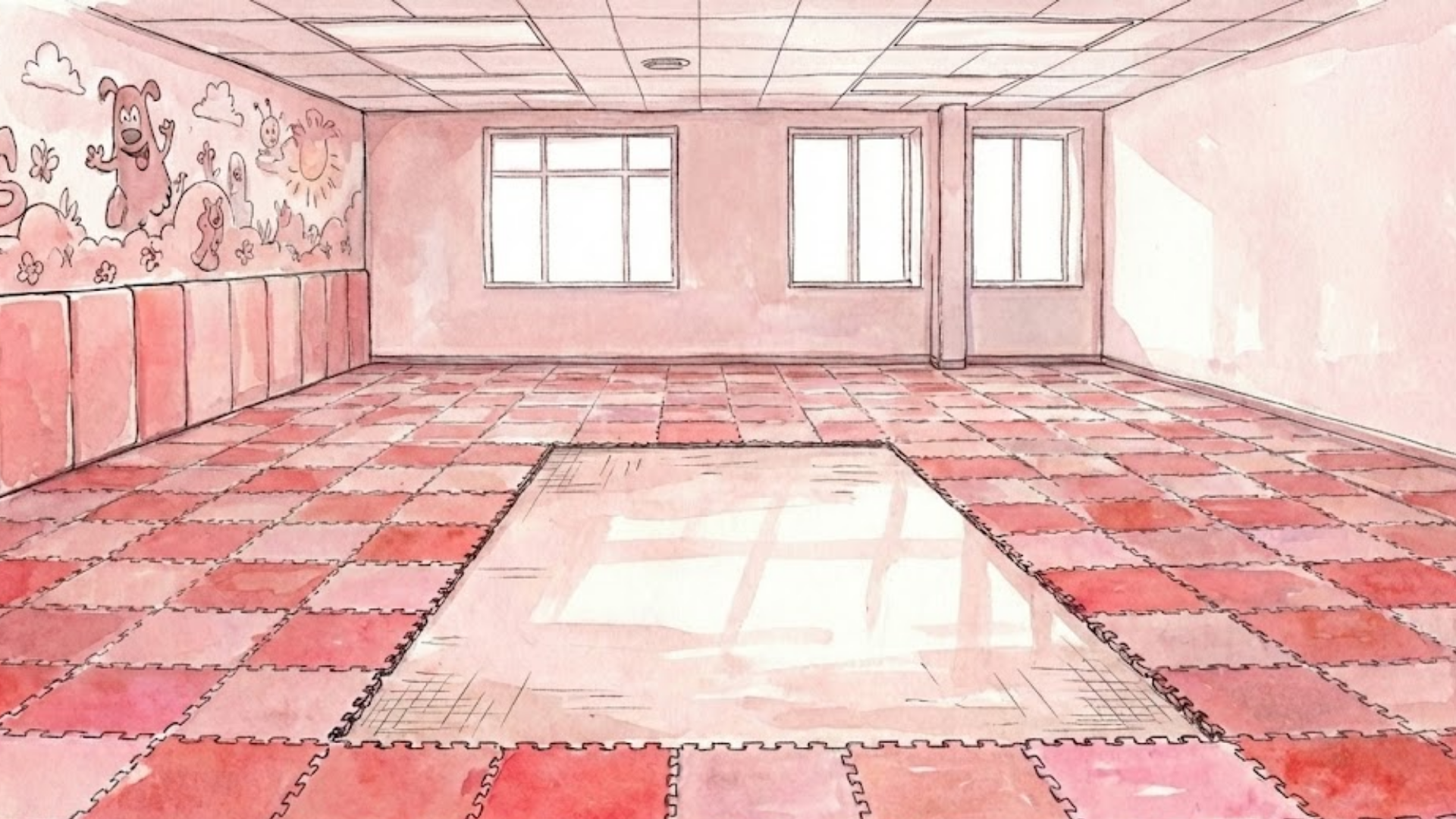
The pale, washed-out red playground
Thalassemia
Defective globin chain synthesis causing microcytic anemia. Alpha or Beta types
Baby Abby (A) and Baby Bob (B) on the tiny slide
Iron Deficiency Anemia
Most common anemia. Normocytic early, becomes microcytic late as iron stores deplete
Baby Bob's metal xylophone — old iron instrument
Hereditary Spherocytosis
Membrane defect causing sphere-shaped RBCs. Intrinsic hemolytic anemia
The beach ball — round like a sphere
Aplastic Anemia
Bone marrow failure — can't produce RBCs. Normocytic, nonhemolytic, low reticulocytes
The 'NO PLASTIC!' trash can
Sickle Cell Anemia
Hemoglobinopathy causing sickled RBCs that get stuck. Intrinsic hemolytic
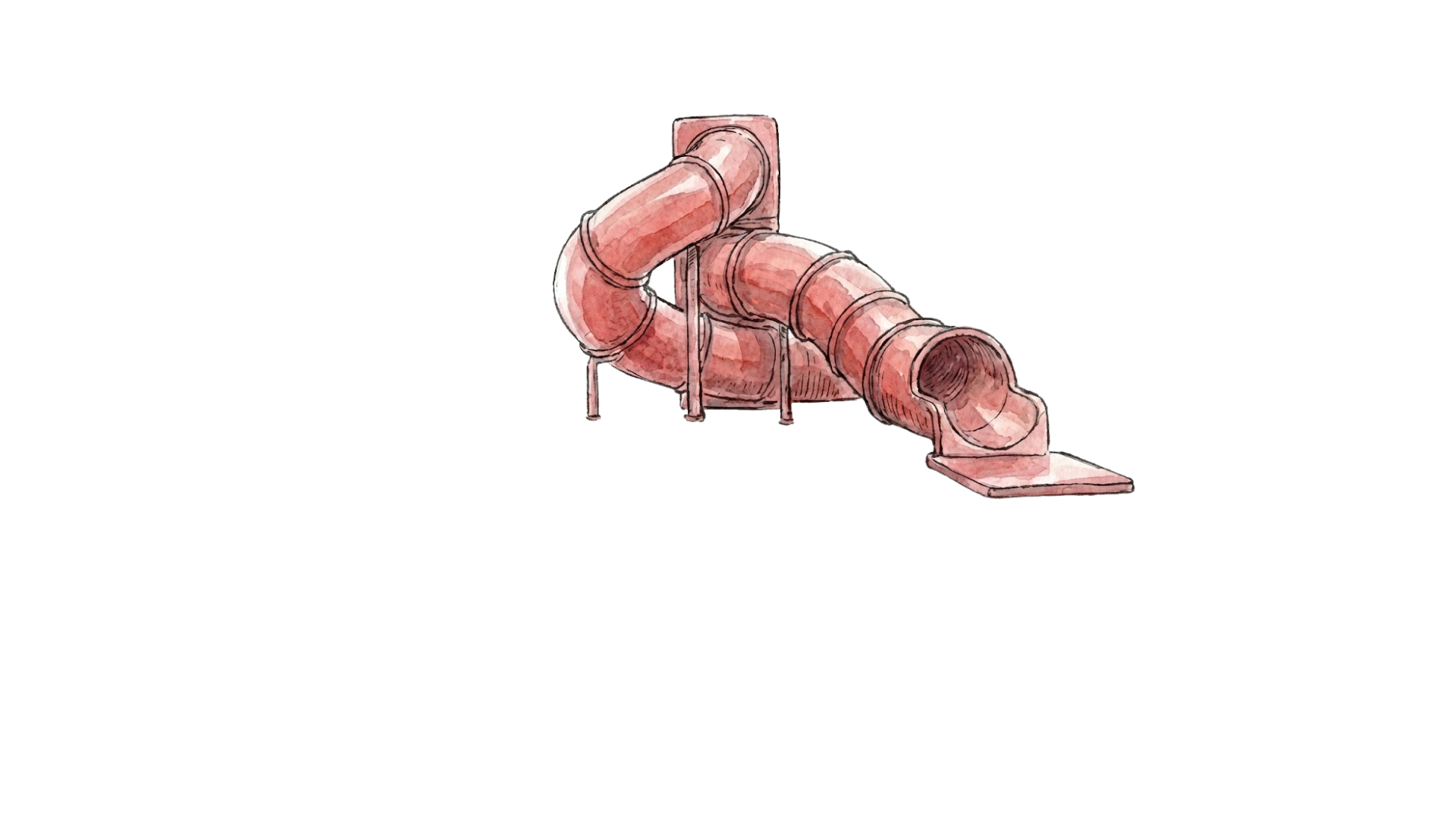
Kid stuck and crunched inside the vessel slide
G6PD Deficiency
Enzyme deficiency making RBCs vulnerable to oxidative stress. Intrinsic hemolytic
Kid wearing jersey #6
Megaloblastic Anemia
Macrocytic anemia from DNA synthesis/repair defects. Large immature cells
Teenagers building mega plastic castle blocks
B12/Folate Deficiency
Causes megaloblastic anemia via defective DNA synthesis
Teenagers building (synthesis) the mega castle
🔬 Diagnostics
MCV (Mean Corpuscular Volume)
Average RBC size in femtoliters. <80 = microcytic, 80-100 = normocytic, >100 = macrocytic
The 'Age to play 80-100' sign
Reticulocyte Index
Low = marrow not making RBCs (nonhemolytic). High = marrow compensating for RBC destruction (hemolytic)
The vessel-like slides in the normocytic zone
💡 Memory Aids
TAIL Mnemonic
Microcytic anemia causes: Thalassemia, Anemia of chronic disease, Iron deficiency, Lead poisoning
The dog on the wall — remember the dog's TAIL
Downloadable Assets











Embed on Your Website
Add this interactive lesson to your website, LMS, or blog with a simple iframe.