Neurodevelopmental tic disorder characterized by multiple motor tics and at least one vocal tic, persisting >1 year with onset before age 18.
Not rare (~1% of children) and often coexists with ADHD/OCD, which can cause more impairment than the tics. Early recognition helps manage tics and comorbidities and avoid misdiagnosing tics as other movement disorders.
Onset in childhood (typically age 5–10, more common in boys). Classic tics include simple motor tics (e.g., blinking, facial grimacing, shoulder jerks) and vocal tics (e.g., throat clearing, sniffing, grunting).
Tics often wax and wane and can change over time. Children can sometimes suppress tics temporarily (with a premonitory urge building up); tics worsen with stress or excitement and lessen when calm or focused.
Common co-morbidities include ADHD (inattention, hyperactivity) and OCD (intrusive thoughts, compulsions), as well as anxiety; these often impact functioning more than the tics themselves.
Confirm movements are tics (stereotyped, urge-driven, suppressible) and not seizures or other phenomena.
Apply DSM-5 criteria: Tourette requires ≥2 motor and ≥1 vocal tics for >1 year (onset <18); if only one type or <1 year, it's a different tic disorder (persistent or provisional).
Evaluate for co-morbidities: screen for ADHD (school performance, attention) and OCD (ritualistic behaviors), as these are common and may need separate treatment.
Assess tic severity and impact (painful or injurious tics, social embarrassment, etc.) to determine if active treatment is needed or if watchful waiting is appropriate.
Condition
Distinguishing Feature
Persistent (chronic) tic disorder
single type of tic (motor OR vocal) or shorter duration (<1 year)
Stereotypic movement disorder
repetitive fixed movements (e.g., hand flapping) often start earlier in childhood; no premonitory urge
Seizures or chorea
e.g., absence seizures with eye blinking (includes impaired awareness) or Sydenham chorea (continuous jerky movements); not suppressible like tics
Mild tics (minimal impairment) → education and reassurance; no medication if tics are not causing problems.
Behavioral therapy (CBIT with habit-reversal training) is first-line for troublesome tics.
For moderate-severe tics, consider medication: start with alpha-2 agonists (guanfacine, clonidine); if needed, use low-dose antidopaminergic agents (e.g., risperidone, haloperidol).
Address co-morbid conditions: treat ADHD (e.g., non-stimulants like guanfacine) and OCD (therapy and SSRIs) to improve overall function.
Mnemonic: Tourette = Two types of tics (≥2 motor + ≥1 vocal) for >1 year (onset before 18).
Coprolalia (involuntary cursing) is actually uncommon (occurs in <10% of cases).
Episodes of "tics" with loss of awareness or occurring only during sleep → consider seizures or other neurologic disorder (tics should not impair consciousness).
If a supposed tic is actually an intentional compulsion done to relieve anxiety (e.g., ritualistic behavior), think OCD rather than a tic.
Child with repetitive movements/sounds → confirm they are tics (urge present, temporarily suppressible; exam otherwise normal).
If ≥2 motor + ≥1 vocal tic >1 year (onset <18) → diagnose Tourette syndrome (if not, consider chronic single tic disorder or transient tics).
Assess for co-morbidities (ADHD, OCD, anxiety) and gauge tic severity (functional impairment, pain, injury from tics).
If tics are mild with little impact → watchful waiting and education (tics often peak in early teens and improve later).
If tics cause significant distress or impairment → start behavioral therapy (CBIT); add medication (e.g., guanfacine, risperidone) if needed.
7‑year‑old boy with a 1.5-year history of blinking, facial grimacing, and grunting noises (able to briefly suppress tics; also has ADHD) → Tourette syndrome.
16‑year‑old with lifelong motor and vocal tics now develops repetitive hand-washing rituals and intrusive thoughts → Tourette syndrome (with comorbid OCD).
Case 1
A 9‑year‑old boy is brought in for uncontrollable movements and sounds.
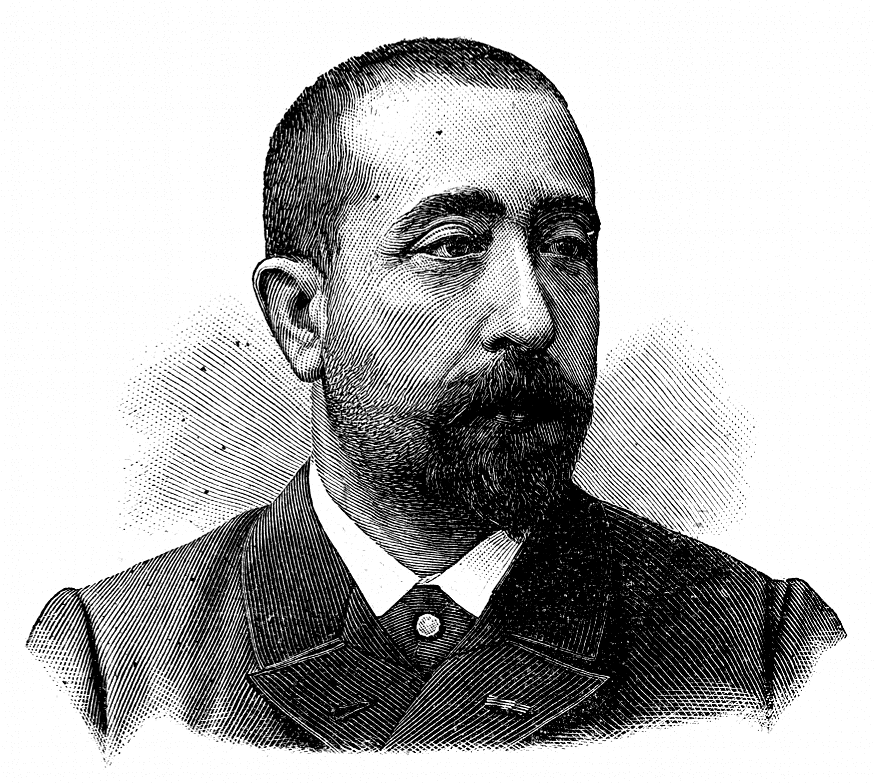
Portrait of a 19th‑century French neurologist associated with Tourette syndrome